From the Field: A Site Visit to Kidepo as Rhino Preparations Gather Momentum
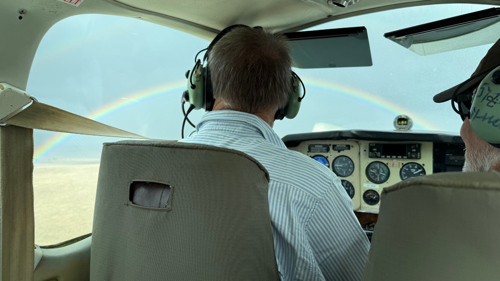
A recent site visit to Kidepo Valley National Park offered a timely snapshot of how months of planning, coordination and community-led effort are translating into real progress on the ground.
Our Director of Sustainability, Jonty Rawlins, travelled to Kidepo with Ian Craig of WildLandscapes East Africa, and spent two days moving between the emerging rhino sanctuary, ranger outposts and community project sites, gaining a first-hand view of the work that will soon allow rhinos to return to this historic landscape.
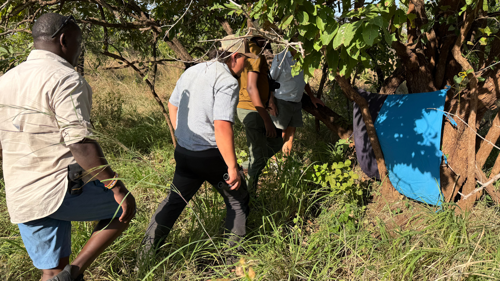
One of the most encouraging updates came from the tsetse fly control programme, an essential but complex prerequisite for rhino reintroduction. During the visit, the field and research teams shared how systematic monitoring, regular re-spraying, and adaptive placement of targets are being used to respond to changing weather, vegetation growth, and wildlife movement. While heavy rains and wind have posed challenges during the quarter, the programme has remained responsive, with targets relocated to shaded areas and maintenance schedules adjusted to maintain effectiveness.
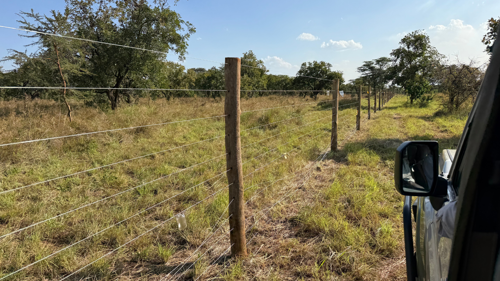
Equally motivating was the role of community members from the Morungole Community Conservancy, who are now fully embedded in the tsetse control work. All nine community field assistants are actively engaged in monitoring and maintenance, supported by improved data collection tools and newly completed staff housing. Their pride and sense of ownership were evident throughout the visit, an important reminder that long-term conservation success depends on local participation, not just infrastructure.
The visit also coincided with steady progress on the community poultry project. While construction of the chicken coop is still nearing completion, the foundations for success are clearly in place. The women’s group has been formally registered as a Village Savings and Loan Association, training has begun, and procurement plans are aligned for a phased introduction of chicks to minimise risk. These steps may seem incremental, but they reflect a deliberate approach to building resilience and sustainability.
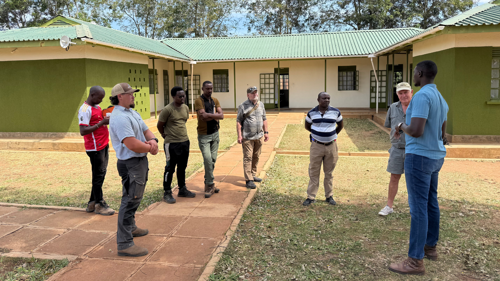
Day two of the visit focused on meetings with the park manager and anti-poaching teams as preparations intensified for a national rhino-readiness inspection. The urgency is real, seasonal rains are approaching, but so is the commitment. The professionalism and motivation of the anti-poaching unit stood out, underscoring the seriousness with which Uganda is approaching the return of rhinos to Kidepo.
The visit concluded with a renewed sense of confidence. While challenges remain, this year has shown that adaptive management, strong partnerships, and community engagement are turning plans into reality. Kidepo’s story is no longer just about what might be possible; it is about what is already underway.
This blog was written by Emily Belcher, the Platcorp Foundation's Project Coordinator.